

What Kind of Lube Should I Use?
Lubrication is one of the simplest and most effective ways to make intimacy more enjoyable. And even though our bodies naturally produce lubrication, it isn’t always enough. Hormonal changes, stress, medication, or simply wanting a little more glide are all good reasons to reach for lube!

Pride 2025: The Importance of Allyship in the LGBTQ+ Community
Pride Month (June) is a time for LGBTQ+ people, communities and organizations to come together to celebrate accomplishments and raise awareness of issues.
READ MORE

Pride 2025: Giving Back to the LGBTQ+ Elders Community - Featuring SAGE USA
A spotlight featuring SAGE USA, an organization providing advocacy and services for LGBTQ+ elders.
READ MORE
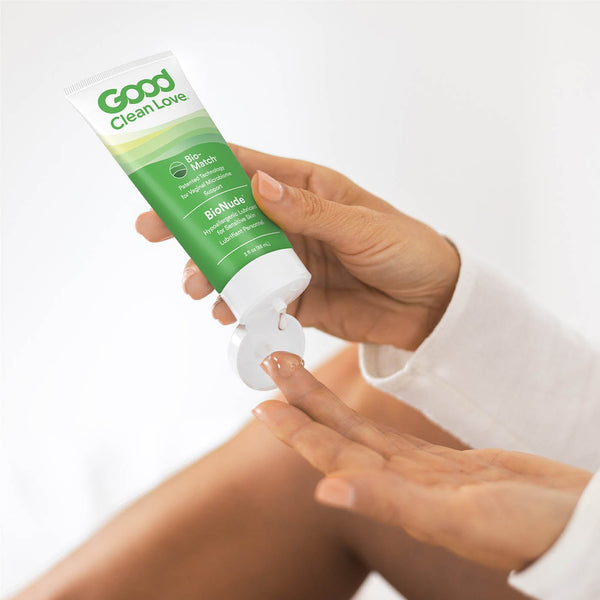
Choosing the Right Lube for Vaginal Dryness
Discovering the Perfect Lube for Vaginal DrynessVaginal dryness is a common issue that can impact comfort and intimacy. Whether it's due to hormonal changes, medications, or stress, understanding the cause...
READ MORE

Enhance Intimacy with Restore Moisturizing Gel
Embrace Intimate Wellness with Restore Moisturizing GelAt Good Clean Love, we believe that intimate wellness is a cornerstone of personal health and enriching relationships. Our mission is to provide natural,...
READ MORE

Achieving pH Balance: Essential Tips for Women's Health
At Good Clean Love, we believe in nurturing your intimate health with care and natural solutions. A healthy pH balance is essential for women's well-being, and our mission is to...
READ MORE

Boric Acid: A Natural Ally for Vaginal Health
At Good Clean Love, we believe in nurturing intimate wellness with natural and eco-friendly solutions. Boric acid is gaining popularity as a gentle way to support vaginal health, known for...
READ MORE

Exploring Slow Sex: A Guide to Enhancing Intimacy with Good Clean Love's Natural Products
In today's fast-paced world, taking a moment to slow down can be incredibly beneficial, especially when it comes to intimacy. This is where the concept of slow sex comes into...
READ MORE

Enhancing Intimacy Through Emotional Intelligence: A Guide to Better Relationships with Good Clean Love
Emotional intelligence is a vital part of our everyday lives, influencing how we interact with others and manage our emotions. Often referred to as the emotional quotient, it encompasses the...
READ MORE

Creating the Perfect Ambiance: How Massage Oil Candles Enhance Intimate Moments
Think of a product that mixes the soft light of a candle with the calming feel of massage oil. That's exactly what a massage oil candle offers. This innovative product...
READ MORE